
Infrastructure delivery has become increasingly complex, driven by larger project scales, tighter timelines, regulatory pressure, and rising expectations for cost certainty and operational performance. In response, integrated engineering models are emerging as a critical framework for improving how infrastructure is planned, coordinated, and executed across its full lifecycle.
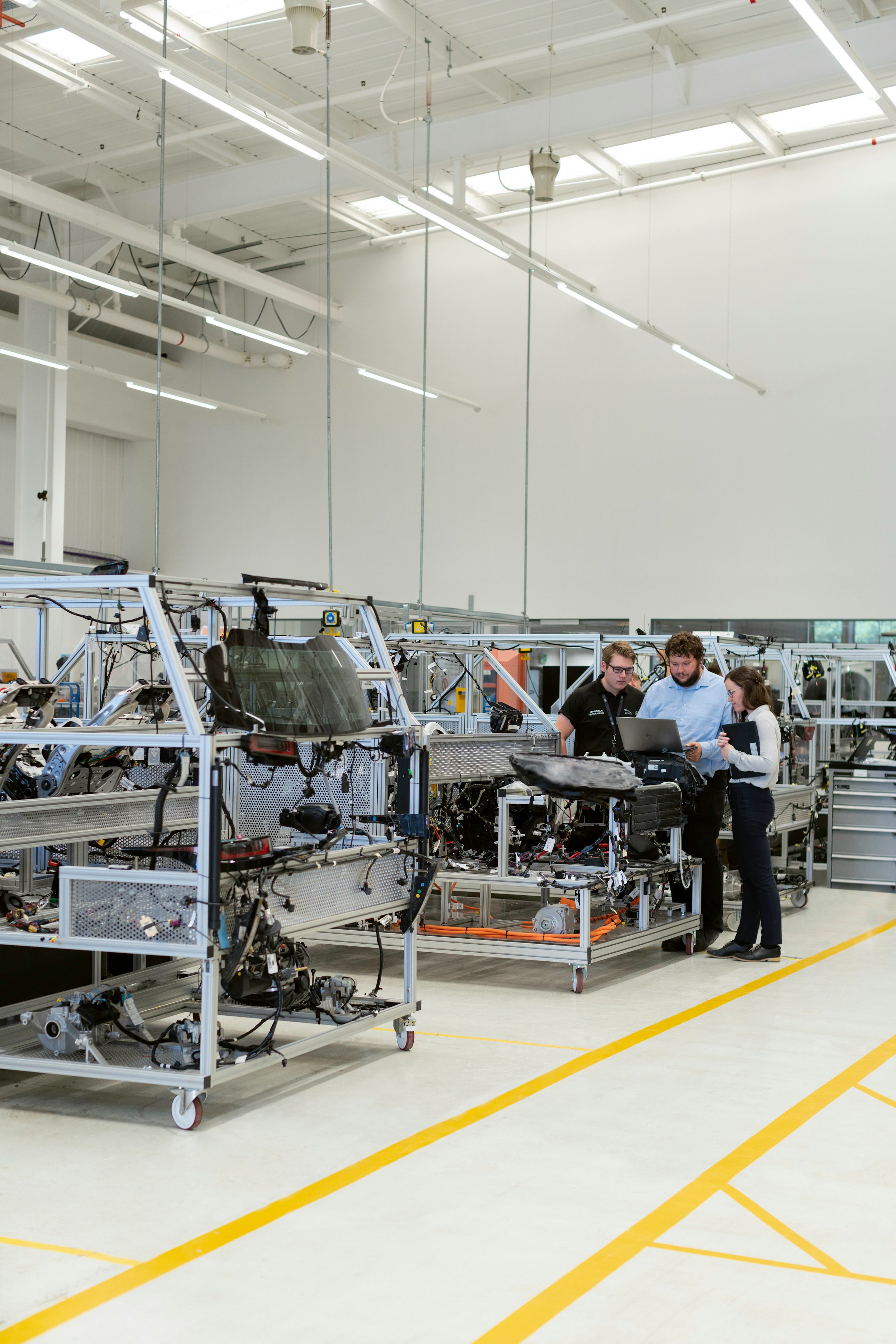
At the core of this approach is the shift from fragmented, discipline-based workflows to unified digital environments where engineering data is shared, synchronised, and continuously updated. Rather than operating in isolated stages, design, procurement, construction, and commissioning activities are connected through a single, model-driven ecosystem that supports real-time collaboration and decision-making.
This integration significantly reduces inefficiencies that typically arise from misaligned documentation, duplicated effort, and delayed communication between stakeholders. By establishing a consistent source of truth, project teams are able to maintain alignment across disciplines, reducing design conflicts and improving coordination between engineering and delivery functions.
A key advantage of integrated engineering models is the ability to improve schedule and cost predictability. With consolidated project data available in real time, teams can simulate delivery scenarios, assess constraints earlier, and anticipate risks before they escalate into disruptions.
Risk management also becomes more proactive within integrated environments. Issues related to constructability, resource allocation, and sequencing can be identified and resolved at earlier stages of the project lifecycle. This reduces downstream rework, limits delays, and improves the reliability of delivery outcomes in complex infrastructure programmes.
Beyond immediate delivery improvements, integrated engineering models also enhance long-term asset value. By embedding operational considerations into design and construction phases, infrastructure systems are better positioned for maintainability, performance optimisation, and lifecycle efficiency.
As infrastructure demands continue to evolve, integrated engineering models are becoming essential to delivering scalable, resilient, and data-driven outcomes.